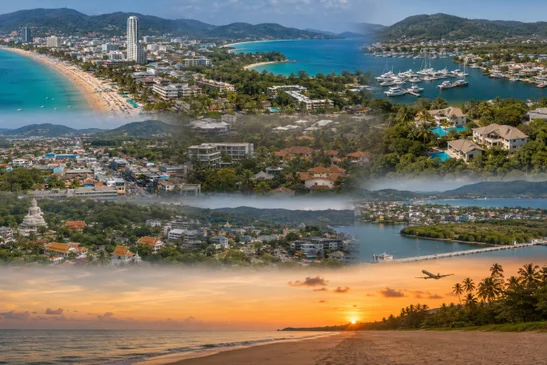
Phuket has recorded its strongest tourism season since before the pandemic, with visitor arrivals, hotel occupancy, and tourism spending all exceeding 2019 levels. Industry leaders believe the Phuket tourism recovery has evolved into a new growth phase, supported by expanding international air connectivity, major global events, and increasing demand from high-spending visitor markets. The island hosted an estimated 60,000 to 80,000 visitors daily during peak periods. This surge was led primarily by tourists from Russia, India, and China, as well as long-haul European and Australian markets.
Following its best high season in five years, Phuket is targeting $15 billion to $16.5 billion (550 to 605 billion baht) in tourism revenue for the rest of 2026. While maintaining this exact hyper-peak level is challenging during the traditional off-season, experts say the island's momentum is likely to continue thanks to key strategies, including hosting major international events, expanding direct flight routes, expanding into high-yield markets, and doubling down on eco-friendly tourism and upgrading infrastructure.

Current Success Metrics
Phuket's tourism industry is achieving historic milestones, with the current high season outperforming pre-pandemic levels across both visitor volume and spending. The island welcomed approximately 8.8 million passenger arrivals in 2025, with visitor numbers reaching historic highs during peak periods.
Visitor Numbers: During peak months, the island welcomed between 60,000 and 80,000 visitors daily. Phuket International Airport handled 17.4 million passengers in 2025 across domestic and international terminals.
Revenue Projections: Tourism revenue for the province is tipped to grow by 10% to approximately 605 billion baht, driven by top source markets like Russia, India, China, and a surge from the UK, Germany, and Australia.
Hospitality Growth: Hotel occupancy has soared, leading major operators to expand. For instance, brands like IHG are actively expanding their island footprint to meet sustained high-end demand.
Why Many Industry Leaders Expect the Momentum to Continue
Sustaining Phuket's record-breaking high season requires a pivot from volume to high-value tourism. Key strategic shifts include capturing high-spending demographics, hosting globally recognized, year-round events, upgrading infrastructure, and aggressively promoting wellness and sustainable travel.
Hosting Major Global Events: Phuket is actively pivoting toward a calendar of major events to keep visitor numbers high year-round. The island is anchoring its year-round appeal by hosting six massive events, including the GSTC Global Sustainable Tourism Conference, InterPride's world conference, the Global Wellness Summit, EDC Thailand, the Thailand Biennale, and Tomorrowland. These events span the typical low season, ensuring steady tourism revenue.
Shift to Long-Haul, High-Spending Markets: While volume from traditional markets like China has only reached about 30% of 2019 levels, average spending is significantly higher. European travelers are booking earlier and staying longer, driving average room rates up by 30% compared to 2019.
New Flight Routes and Expanding Flight Capacity: To reduce reliance on layovers in Bangkok, the Tourism Authority of Thailand (TAT) is prioritizing direct international flights from high-spending markets. New flight routes continue to be added to the island, with direct services launched recently from Paris (Air France), as well as flights from Sweden, Norway, and Uzbekistan. Major global airlines are increasing connectivity directly to southern Thailand. New direct routes and increased flight frequencies (averaging 400 flights a day) are expected to support continued demand.
Upgrading Infrastructure: Capacity remains a critical point of concern. Tourism leaders are pressing authorities to speed up the Phuket International Airport Phase 2 expansion, as current infrastructure risks bottlenecking growth if passenger demand continues to accelerate at its current pace.
Enforcing Sustainability & ESG: As the Andaman region cements its position as a global green destination, industry leaders must implement strict ecological standards, such as mandating eco-certifications for hotels and reducing carbon footprints, to align with initiatives like the Global Sustainable Tourism Council.
Will Visa-Free Stay Cuts Impact Phuket Tourism?
The Thai Cabinet's decision to reduce visa-free entry from 60 to 30 days for 93 countries is believed to have a limited impact on Phuket's booming tourism, according to many tourism operators. Private sector leaders and local businesses in Phuket have largely backed the policy, viewing it as a strategic shift toward attracting higher-spending, shorter-term tourists rather than those misusing the free-entry system.
Minimal Impact on the Best Season: Tourism operators view the policy change positively, as it helps clamp down on individuals exploiting the waiver for illegal business operations rather than legitimate tourism. They anticipate only a minor, short-term dip in arrivals.
Impact on Long-Stay Visitors & Property Buyers: The shift from 60 to 30 days primarily disrupts digital nomads and foreigners who use long, visa-free visits to scout properties or reside.
Shift to Alternative Visa Categories: Long-stay visitors, real estate buyers, and remote workers are now expected to utilize alternative, structured long-stay options, such as the Thailand Elite Visa or the Destination Thailand Visa (DTV), rather than relying on tourist exemptions.
Key Takeaways for Investors
Phuket’s high season is outperforming pre-pandemic levels, with daily arrivals exceeding 60,000–80,000 and the airport hitting record-breaking flight movements. For investors, this translates to surging rental yields and strong capital appreciation across the island's real estate market.
Record-Breaking Rental Yields: With international arrivals led by Russia, India, and China, properties in high-demand or beachfront areas are commanding premium short-term rental rates. Well-managed villas and condos are achieving net yields.
Capital Appreciation: Sustained tourism growth and major infrastructure upgrades have resulted in consistent year-over-year property value increases. Prime areas are experiencing annual price growth.
Hybrid Leasing Strategies: Investors can capitalize on the surge by renting out properties to tourists at short-term premium rates during the peak season (November–April), then shifting to longer-term rentals for expatriates or remote professionals during the low season to ensure a stable, year-round income.
High Liquidity and Strong Market Growth: The market has absorbed tens of thousands of new units as the island transitions from a strict holiday destination to a major global residential hub. Villa and condominium sales volumes have jumped significantly, pointing to a highly liquid resale and rental market.
Current Challenges
This boom triggered several critical challenges that balanced out the island's economic success and have strained local infrastructure and resources, creating several critical challenges for both tourists and the local economy
Price Surges: High demand has driven up the cost of flights, accommodations, and local excursions. While highly lucrative for business owners, it has sparked debate over pricing out budget travelers.
Severe Traffic Congestion: With daily flights to Phuket International Airport reaching up to 400 movements during peak periods, road capacity is severely stretched. Driving from the north to the south of the island, which normally takes an hour, can take 2 to 3 hours during rush periods.
Resource Strain: High visitor volumes have put a heavy burden on water supplies, waste management facilities, and overall road capacity.
Labor Shortages: While visitor numbers rival record highs, many hotels are operating more leanly rather than restoring their pre-pandemic headcount. Operators are focusing on upskilling and improving staff efficiency rather than mass hiring to manage the influx.
Outlook for Phuket
While Phuket faces ongoing challenges, including traffic congestion, infrastructure pressure, and sustainability concerns, tourism indicators remain highly positive. Strong international demand, growing airline connectivity, and a calendar of major global events suggest the island is well positioned to remain one of Asia's leading tourism destinations. For property investors, continued visitor growth could provide ongoing support for both rental demand and long-term market confidence.