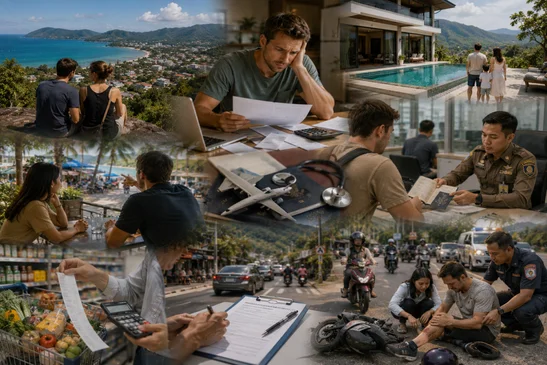
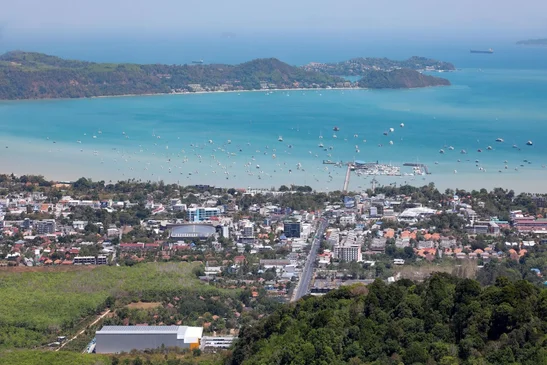
Purchasing a property in Phuket is a widely held dream for many, driven by the desire for a tropical, high-quality lifestyle, stunning beaches, and solid investment returns. The island offers a blend of luxury condos and villas, often at a fraction of the cost found in the Caribbean or Mediterranean, making it a popular choice for second homes, retirement, and investment.
However, in that excitement, many make mistakes that can cause stress or financial loss later.
Purchasing a property in Phuket is a popular real estate dream, yet a complex endeavor for foreigners due to strict regulations, lack of industry oversight, and unique land title systems.
To help you make a smart decision, here are the top common legal pitfalls to avoid when purchasing a property in Phuket.
Unsuitable ("Dirty Land")
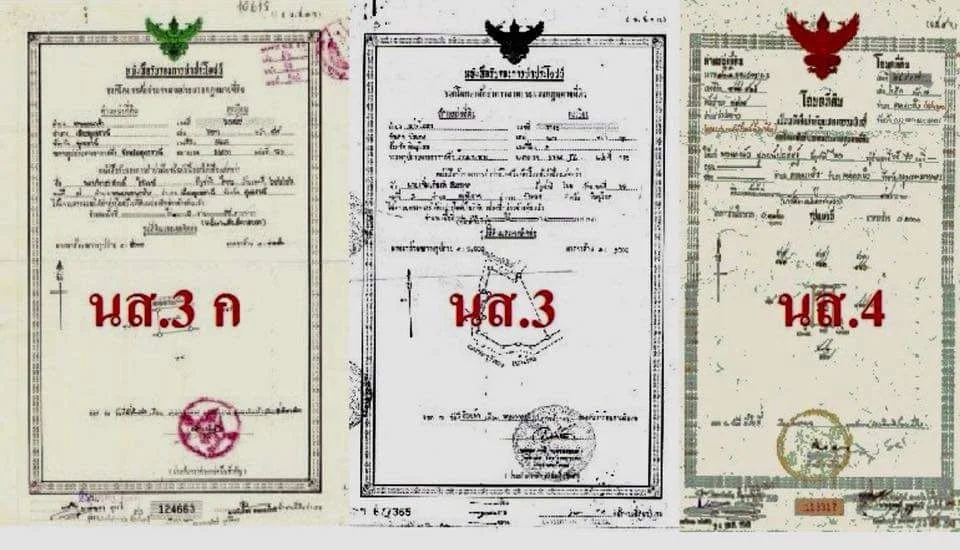
Purchasing land with unsuitable titles (e.g., Nor Sor 3 instead of Chanote) or land that encroaches on national parks or forests ("dirty land"). In Thailand, "dirty land title deeds" refer to land documents that have legal restrictions, unclear boundaries, or are not fully recognized by the Land Department, making them unsuitable for purchase, development, or investment. Unlike a Chanote (Red Garuda), which is the "gold standard" of clear, freehold ownership, "dirty" titles often involve risks like boundary disputes, inability to secure loans, or potential encroachment on government land.
The Risk:
Complete loss of investment through demolition by authorities.
There is no statute of limitations on the government reclaiming illegal land.
Unsuitable land title deeds cannot be used to apply for construction permits, and banks will refuse to provide mortgages.
Many "dirty" titles in Phuket are actually located within national parks or forest reserves, meaning the title can be revoked, and the owner can face prosecution.
How to Avoid:
Always demand chanote and prioritize buying land with a Red Garuda (Chanote) title.
Check the back of the deed to look for registered encumbrances such as mortgages, leases, or usufructs (the "dirt" on the title).
Always verify the authenticity of the title deed at the local Land Department rather than relying solely on the seller.
Engage a reputable Thai law firm to perform a professional, independent title search.
Illegal Foreign Land Ownership Structures

Foreigners are strictly prohibited from owning land in their own name in Phuket, and throughout Thailand, under the Land Code Act. While various, often "creative" structures have been used to bypass these laws, many are illegal and carry severe risks of total asset forfeiture. Many investors have historically used illegal nominees, incorrectly setting up Thai companies or grey-area structures to secure landed property, such as villas or houses.
The Risk:
Thai courts consistently rule against illegal structures, and the government can repossess or demolish buildings constructed on land illegally held by foreigners.
As of 2025, Thai authorities have intensified crackdowns on nominee companies, with the Department of Special Investigation (DSI) and other agencies sharing data to identify illegal structures.
Both foreigners and their Thai nominees can face heavy fines and jail time.
How to Avoid:
Never use a Thai nominee to purchase land, as this violates the Foreign Business Act and can result in land forfeiture.
The safest route for houses/villas is a registered leasehold, typically 30 years with options for renewal. Ensure the contract is detailed and registered at the Land Department, not just a private agreement.
Foreigners can directly own up to 49% of the total unit space in a condominium project.
If purchasing via a Thai company, ensure it is not a shell company. It must have actual business operations and the foreign shareholding must not violate foreign ownership laws.
Off-Plan Property Investment Risks

Off-plan property in Phuket, where properties are purchased before or during construction, offers great potential for high capital appreciation often 12-18% annually in prime areas and allows investors to secure units at lower prices with flexible, staged payment plans. However,
Off-plan property investment carries significant risks.
The Risk:
Projects may be delayed, sometimes for years, or abandoned entirely, leaving investors with tied-up capital or lost deposits.
Developers may face financial instability and run out of funds, leading to project suspension or bankruptcy.
The completed property may differ from initial brochures and renderings, with subpar construction quality.
Projects might start without proper EIA (Environmental Impact Assessment) approval or building permits.
Guaranteed returns promised by developers may not materialize or may be based on inflated projections.
How to Avoid:
Use an independent, reputable law firm to conduct due diligence and review contracts.
Research the developer’s track record, including visiting their previously completed projects.
Utilize escrow accounts to protect payments.
Ensure the contract includes clear completion dates, specifications, and penalties for delays.
Lack of Escrow Account

An escrow account is a secure, third-party holding account that manages funds or assets during a transaction, releasing them only when specific contractual conditions are met. Commonly used in real estate to protect buyers and sellers from fraud, it ensures that money is not released until terms, such as property transfer or inspections, are completed.
The Risk:
Buyers may pay for a property that has an unclear title, outstanding liens, or, in extreme cases, is not legally owned by the seller.
Sellers may transfer ownership documents before receiving payment, or buyers may fail to pay, resulting in financial loss.
Without escrow, buyers have no leverage to withhold funds if they discover serious, undisclosed property damage or, in the case of resale, illegal modifications.
If funds are not properly handled, buyers may inherit tax liabilities or liens.
How to Avoid:
Creating your own escrow account in Thailand, typically facilitated by a reputable bank or law firm acting as a neutral agent under the Escrow Act B.E. 2551, provides significant security and peace of mind for high-value transactions, especially for foreign investors and buyers of off-plan property.
Missing Foreign Exchange Transaction (FET) Form

A Foreign Exchange Transaction (FET) form, formerly known as Thor Tor 3, is a mandatory document issued by a Thai bank proving that funds for a purchase were transferred from abroad in foreign currency and converted to Thai Baht. It is legally required to register foreign ownership at the Land Department and to repatriate funds upon sale. A missing Foreign Exchange Transaction (FET) form is a critical issue when purchasing a condominium in Thailand as a foreigner.
The Risk:
lf a foreign buyer cannot present the original FET form to the Land Office, the Land Officer will deny the registration of the condominium in the foreigner's name.
Without the FET form, the sale cannot be finalized, which may force the buyer to restructure the purchase (e.g., changing from freehold to leasehold) or cancel the transaction entirely.
If the property is sold in the future, Thai banks require the original FET form to transfer the sales proceeds back out of Thailand. Missing this document can make it impossible or very difficult to move money out of the country.
If the initial transfer was done incorrectly (e.g., transferring Thai Baht instead of foreign currency), the funds might need to be sent back overseas and re-transferred, causing significant delays and, potentially, currency exchange losses.
Local banks may refuse to issue the necessary documents for the Land Office if the transfer details do not comply with the Bank of Thailand's regulations.
How to Avoid:
Ensure Correct Fund Transfer Procedures by transfer funds in a foreign currency (USD, EUR, etc.) from an overseas bank account to a Thai bank account. If you send Thai Baht, an FET form cannot be issued. For transactions equivalent to USD 50,000 or more, Thai banks are required to prepare an official FET form.
Open a Thai bank account and transfer funds from your overseas account to your own Thai account. This allows you to directly manage the conversion and document retrieval.
Bring the original, signed, and sealed FET form to the Land Department on the transfer date. Keep certified copies for your personal records, as you will need them to repatriate funds if you sell the property later.
Lack of Inheritance Planning

Purchasing property in Thailand without proper inheritance planning (such as a Thai will or structured ownership) poses significant risks, primarily due to strict foreign ownership restrictions, complex probate procedures, and specific intestacy laws. Foreigners cannot directly own land, and even condominiums, while freely owned, face restrictions upon inheritance.
The Risk:
If you pass away without a will (intestate), or if your will does not account for Thai legal restrictions, your heirs may be forced to sell the property. A common mistake is assuming a foreign will covers Thai assets. While Thai courts may recognize foreign wills, they require translation, legalization, and a complex, slow process to be executed in Thailand. A separate, specific Thai will is generally recommended to avoid these delays.
If you hold property through a long-term lease (often 30+30 years), the lease is considered a personal contract rather than a real property right. Under Thai law, a lease generally terminates upon the death of the lessee, meaning your heirs may lose the right to the property immediately.
Without a properly executed Thai will, your heirs will have to go through the Thai court system to be appointed as administrators of your estate.
Many foreigners hold land through a Thai limited company. Upon death, the company shares, not the land directly, pass to heirs. Without a will, transferring control of the company and ensuring the new heirs control the land (instead of being locked out by nominee Thai shareholders) is incredibly complex.
How to Avoid:
Draft a separate Will in Thailand for your Thai assets that complies with local law and designates an executor.
Ensure leasehold contracts specifically state they are inheritable by heirs.
If holding land through a company, ensure the shares are clearly transferred in your estate planning.
Appoint an in-country executor to manage the probate process.
Working with Unreliable

Purchasing property in Thailand as a foreigner involves significant risks, especially in popular areas like Phuket, and is relatively unregulated compared to Western countries. Working with unreliable real estate agents in Thailand poses significant risks due to the largely unregulated nature of the industry, where agents often operate without official licenses, training, or oversight. These agents may prioritize their commission over a buyer's best interests, leading to financial loss, legal disputes, and the purchase of substandard or illegal properties.
The Risk:
Misrepresentation & Misleading Information: Unethical agents may lie about ownership structures (e.g., claiming a foreigner can own land directly), investment returns, or the proximity of the property to amenities.
Bait-and-Switch Tactics: Agents may advertise luxury properties at unrealistically low prices to lure buyers, only to inform them later that the unit is "sold" and offer an inferior property.
High-Pressure Tactics: Unscrupulous agents often pressure buyers to make fast decisions, pay holding deposits, or ignore legal advice, often claiming limited availability to create a false sense of urgency.
Conflicts of Interest: Agents may prioritize projects that pay them higher commissions rather than what is best for the buyer.
Unauthorized Intermediaries: In some cases, individuals pose as agents but have no legal authority to sell the property, leading to stolen deposits.
How to Avoid:
Use a Reputable Lawyer and never rely solely on an agent. Engage an independent, qualified Thai lawyer to perform due diligence, review contracts, and conduct title searches.
Check if the agent has a registered, established business and a track record of professional, transparent service.
Always conduct an independent property inspection before completing the purchase.
Ensure the seller is the legal owner on the Title Deed (Chanote).
Make all payments through official, documented bank transfers rather than cash.
While the allure of a Phuket property is strong, rushing into a purchase without proper legal oversight is the most common cause of significant financial loss, unexpected legal liabilities, and buyer’s remorse. A cautious, legal-first approach transforms a potential nightmare into a safe, rewarding investment.