Regardless of whether you want to or circumstances leave you no choice, the day may come when you must sell your property in Phuket. Even if you’re not happy to do so, it might turn out to be rewarding, but it also requires careful preparation and a familiarization of Phuket’s real estate landscape. Perhaps your purchase was purely an investment, and you're seeking to cash in on a growing market or an expat moving on from island life. Working with a real estate professional and learning how to navigate the process will ensure a smooth and profitable sale. Here’s what you need to know before listing your Phuket property.
Market Timing

Image by freepik
Anyone who is familiar with it will tell you that Phuket’s property market is unique. Because it’s largely a holiday destination, geopolitics and regional economics influence where buyers are coming from. Other variables like visa and tax rules also play a role, making the real estate market hard to predict. However, the market is always seasonal, with the tourist high-season (November to April) being the best time to list. During this time, the island sees more potential buyers, notably international visitors looking for investment opportunities or vacation homes. However, serious investors often search year-round, so a well-priced and well-presented property can sell at any time.
Prior to listing, research comparable properties in your area to gauge market value. Hiring an agent with long-term experience in Phuket is immensely beneficial as they can provide comparative market analyses regarding current demand and realistic pricing.
Ensure Your Property Is Legally Ready to Sell

Image by freepik
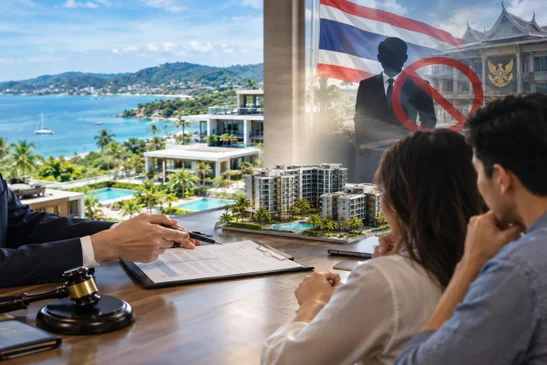
Any seller should expect, and be prepared for, a slew of questions regarding a real estate sale – especially regarding legal issues. For condos, confirm that your building’s foreign ownership quota has not been exceeded (<49% of the total project). For villas or land, check the current status of ownership structures, as changes are often proposed. Foreigners typically own through leasehold arrangements or Thai companies, and both must be correctly registered and free of encumbrances.
Other preparations include preparing key documents such as the Chanote (land title deed), building permit, tabien baan (house registration book), floor plans, and tax receipts. Preparing all of this in advance is crucial; you don’t want a potential buyer looking elsewhere because you’re not fully prepared to sell. Even if you believe all is in order, hiring a local lawyer experienced in property transactions to review your paperwork and advise on any potential red flags is worth the expense.
Presentation Matters

Image by pressfoto on Freepik
In general, Phuket’s property buyers are often looking for lifestyle appeal like sea views, modern amenities, all combined with those tropical beach vibes. First impressions are key, so invest time in presenting your property. Easy improvements like repainting, fixing minor defects, or refreshing furnishings can pay dividends. When you feel you're fully prepared to show your property, don’t skimp on photography; visually unappealing listings will get far fewer viewings.
Be Aware of Taxes and Fees
Like most other locations, selling property in Thailand incurs several government fees and taxes. These may include transfer fees (usually 2% of the assessed value), stamp duty, business taxes (if applicable), and withholding tax. These costs may vary depending on ownership structure and how long you’ve owned the property – once again, a property lawyer will be able to provide the most accurate and up-to-date information regarding taxes.