As we head into 2026, there’s no sign that Phuket’s rapid pace of change will abate. While the island’s annual ebb and flow of tourists continues on, one noticeable change is the amount of year-round expats. The past few years have seen a strong surge in long-term residents, investment, and construction across the island. In response to this changing landscape, we’ve started to see a stricter immigration environment taking form. The Thai government has introduced digital entry checks, tightened visa-exemption scrutiny, and begun cracking down on visa abuse. These new rules and stricter enforcement reach all non-Thais directly or indirectly whether you’re a short-term tourist or have lived here for years.
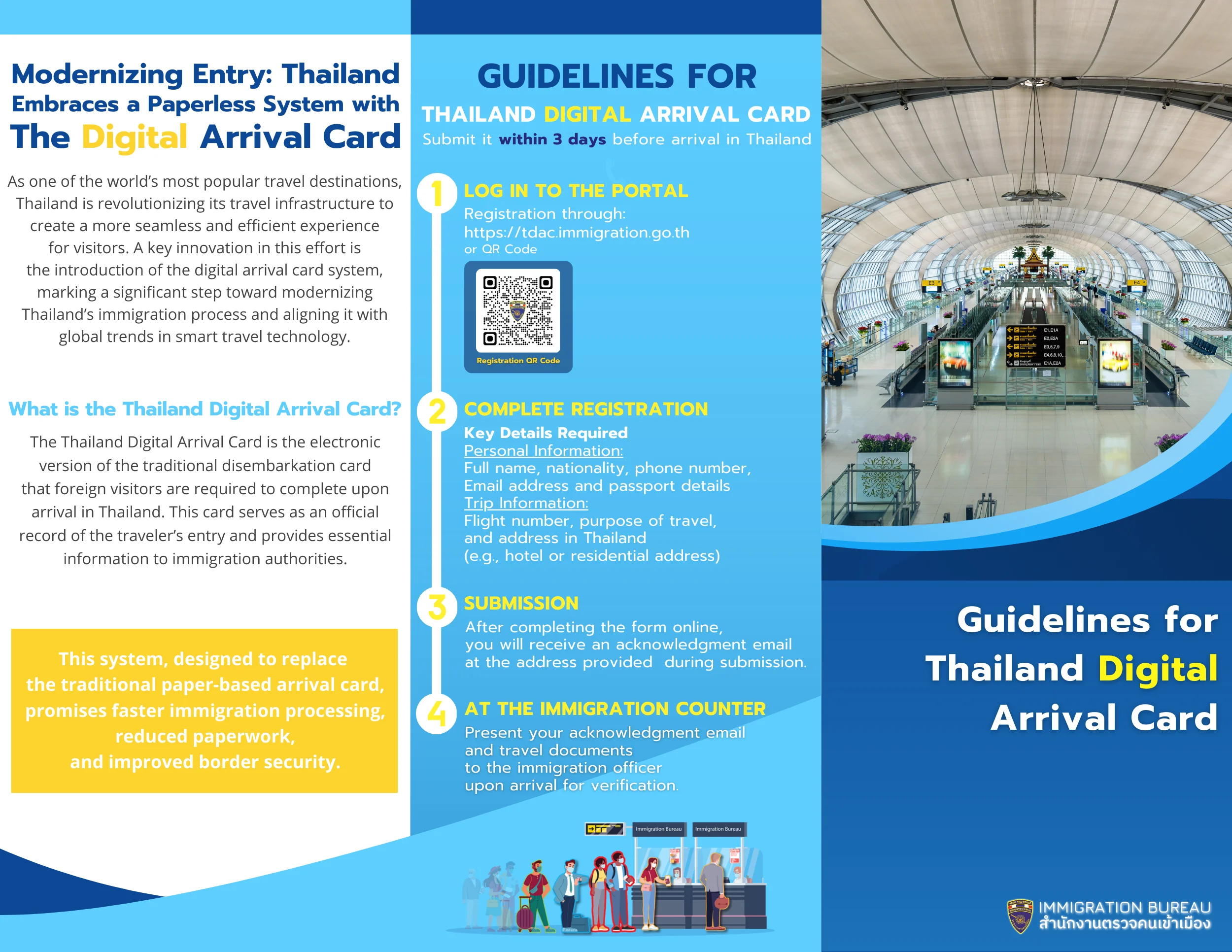
One key change was the introduction of the mandatory digital arrival and authorization systems. First, Thailand eliminated the paper arrival/departure cards, then in 2025 launched the Thailand Digital Arrival Card (TDAC) and the Electronic Travel Authorization. The main goal being to screen visitors earlier and reduce on-arrival paperwork. Travelers must complete the TDAC at least 72 hours before arrival and check the official portal before departure. The TDAC is free, beware of scam sites that ask for payment or credit card information.
Once upon a time there were many expats living in Phuket on tourist visas. Although it was against immigration regulations, there were long-standing traditions to obtain a 60-day tourist visa, do the 30-day extension, briefly leave the country, then do it all over again. On rare occasions immigration authorities would deny entry – even so, many got away with this for years. Recently the Immigration Bureau issued orders to limit repeated visa-exempt “border runs” and is carefully watching for those abusing tourist entries (for example repeatedly entering on visa exemption while undertaking long-term work or business). Ultimately, immigration officers at your port of arrival have the final say, but trying to slide in under the radar is a thing of the past.
At first glance it may seem that they’re making the visa situation more difficult, however that’s not really the case. In fact, there are more options for long-term stay than in past years. Thailand has also restructured the categories of non-immigrant visas to simplify and modernize the system. They’ve reduced confusing subcategories and are encouraging people to stay on the visa that matches their actual activity in Phuket whether it’s work, retirement, study, etc. Securing the right visa can be fairly straightforward. If you’re not working, education visas are possible for up to five years for things like Muay Thai, language learning, culinary studies, and more. If you have a job in your home country, look into the Destination Thailand Visa that allows you to live in Phuket and work remotely if you meet the requirements. For those 50 or older, retirement visas are the best option as long as you keep a bank balance over THB 800,000 or show proof of monthly income of at least THB 65,000, but note that working of any kind is prohibited.
Finally, expect an increase in local enforcement. Phuket Immigration and related authorities have increased checks and coordination with hotels and local officials. And while technically all non-Thais are supposed to carry their passports with them, photocopies or pictures on your phone of the data and visa pages are often good enough.