At first glance, buying a property in a hotel-managed development in Phuket might seem like you’re getting the best of both worlds – a holiday getaway on a tropical island plus the chance to earn rental income when you’re not using it. However, before you grab your pen and start signing that sales contract, it’s important to develop an understanding of how these developments actually work. One of the most important things to note is that not all hotel-managed properties generate returns in the same way, and which model you choose can make a big difference both to your income, and how much control you have over your property.
What Is a Hotel-Managed Property?
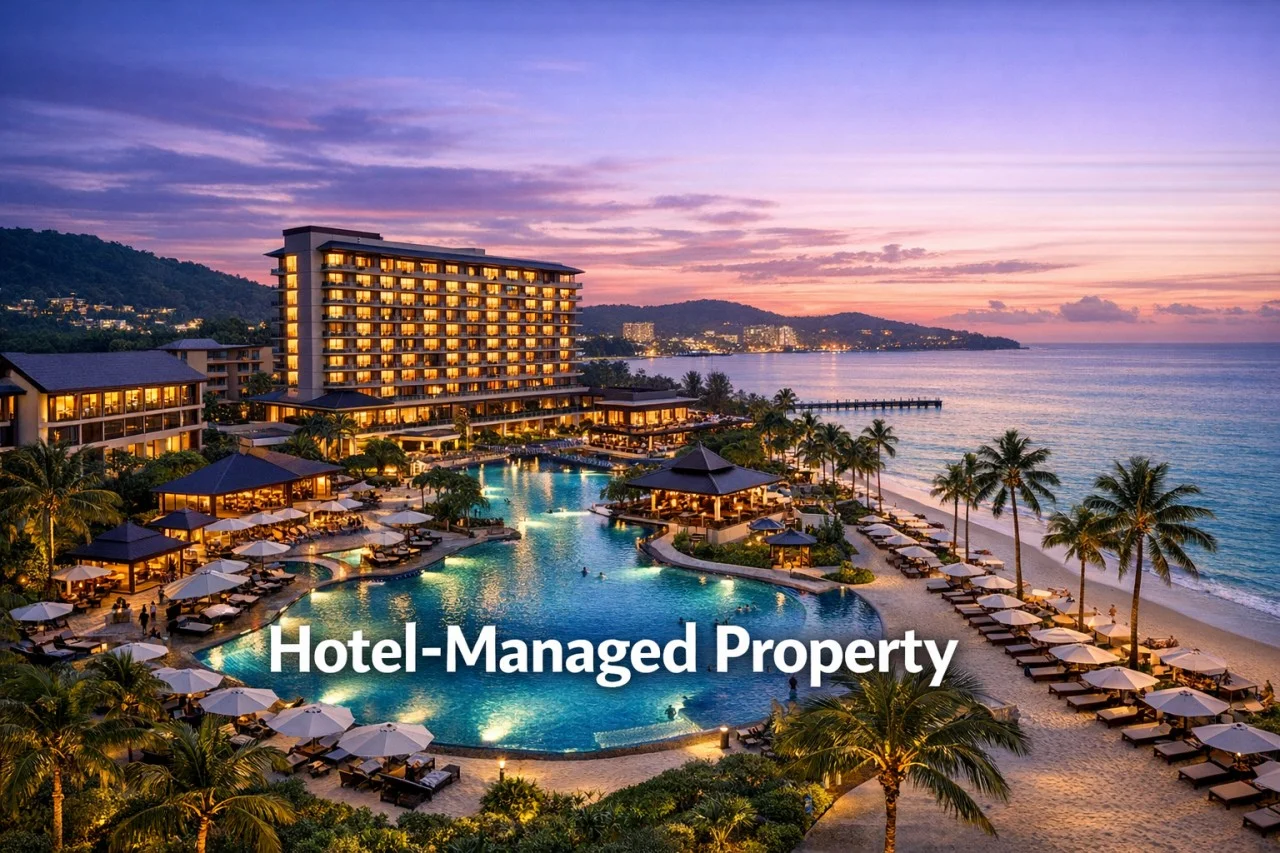
Basically, it’s a condo or villa that is located within a resort or branded residence which is operated by a hotel brand. What makes this setup appealing is that the operator handles marketing, bookings, housekeeping, guest services, and maintenance just like it’s part of their hotel or resort. As the owner, you get access to the resort’s facilities and you have little responsibility for the day-to-day operation of your rental unit.
Of course, you don’t get something for nothing and the revenue sharing situation is what you need to put under careful scrutiny.
Rental Pools
The rental pool structure is one of the most common models found in hotel managed properties in Phuket. With this setup, your property is part of a shared pool with other participating units. All rental income is combined, and profits are distributed according to a predetermined formula – typically based on unit size or type.
The reason why this model is so popular is because it's simple and passive. You don’t need to worry about bookings, pricing, or slow seasons. The hotel manages everything and leverages its brand and booking networks to keep occupancy up.
The downside of this model is you forgo individual performance of your property. If your unit rents exceptionally well, that income is shared. And if the rental pool as a whole underperforms, everyone feels it. As might be expected, management fees can be significant, so it’s important to compare potential returns with different models to see what works best for you.
Individual Unit Performance
Some developments give owners the option to keep rental income tied directly to their own unit. This means you’ll earn exactly what your property makes, minus management and operating costs, instead of being part of a shared pool. In most cases you’ll have more flexibility to block out dates for your own use and potentially fetch higher rates during peak demand.
This model is well-suited for those who have a property or unit that stands out from neighboring ones. Maybe it’s a sea view, in a better location on the property, or lavishly furnished, but it’s likely that your rental will outperform others and it doesn’t make sense to be part of a rental pool.
However, income may potentially be less consistent, especially during the tourism low season. This model may also require more involvement on your side, even if the hotel assists with bookings and cleaning.
Guaranteed Returns

Drive around Phuket and you’ll inevitably see developers’ billboards offering guaranteed return on your investment, often for the first three to five years. The idea to assuage any worries you might have by promising a fixed annual return, regardless of actual rental performance. The clear benefit here is it provides peace of mind, especially if it’s a developer with an unproven track record.
While it’s a good model in the sense you know what to expect for the first few years, the upside is often capped meaning you won’t get more than the guaranteed amount regardless of rental performance.