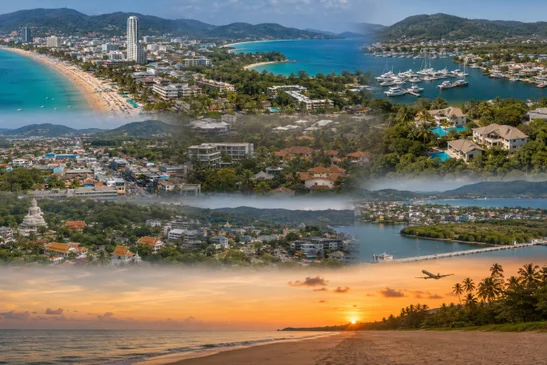
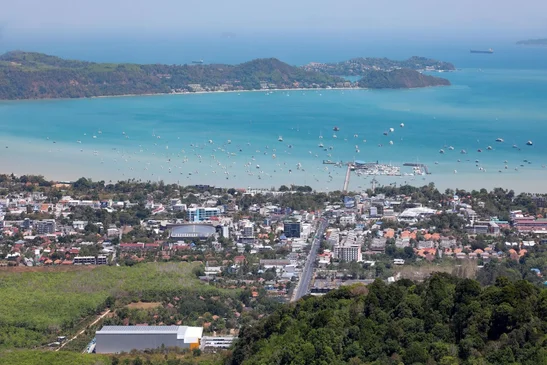
For Phuket, the fact that it’s the country’s largest island and has those postcard-perfect tropical beaches is the foundation of its popularity. However, as with many coastlines and seaside communities around the world, it is vulnerable to the imminent effects of climate change. This, of course, makes it a very important factor for property owners and investors to consider. As global temperatures rise, the physical environment and local economy are already beginning to show impacts that will inevitably reshape Phuket’s property landscape – literally and figuratively – in the years ahead.
Of the various ways that climate change may impact Phuket, the most significant long-term threat is rising sea levels. Globally, sea levels are on the rise, and researchers warn this trend will continue as ice sheets melt and ocean waters warm. In Thailand, government projections estimate that this rise could be as much as one meter over the next 40-100 years, which would have drastic effects on coastal land low-lying areas around the island.
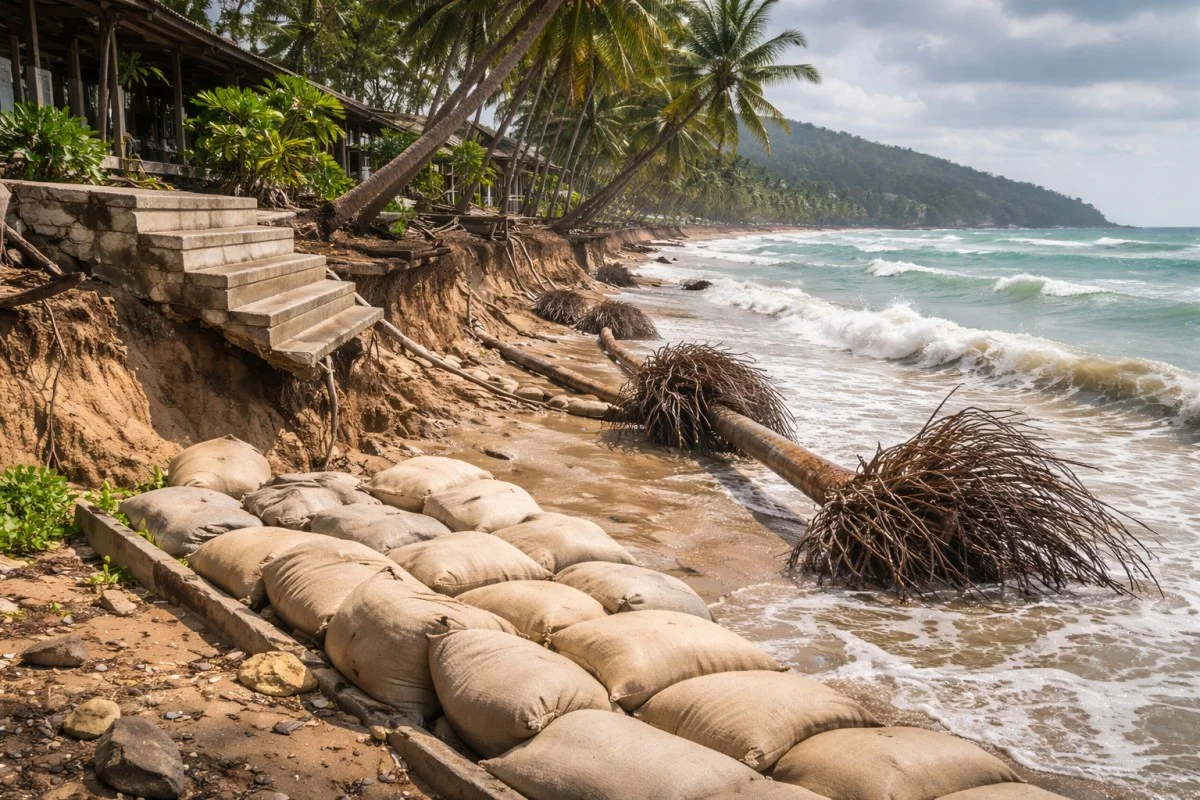
While this has far-reaching implications beyond just economics, the impact on property values should be recognized. Of course, beachfront and near-shore developments always command a premium, but when the beachfront is moving, that advantage will also erode. Erosion and flood risk will continue to increase, and so will insurance costs.
Alongside rising sea level concerns, extreme weather events and unpredictable rainfall patterns are likely to become more common. More intense monsoon seasons will result in a higher frequency of flooding, while longer dry spells will require better resource planning and infrastructure.

For anyone considering purchasing property in Phuket as a home or an investment, climate change is a tangible risk that needs to be factored into any property purchase. While many of the future impacts of climate change are predictions, we can already see them starting to materialize, and adopting a forward-thinking mindset might be a wise approach.