Phuket’s long-term future is increasingly being shaped by more than just tourism. Major investments in healthcare, education, and wellness infrastructure are helping reposition the island as a regional lifestyle and medical hub, a trend that could have significant implications for both residents and property investors.
The Thai Cabinet recently approved a ฿6.43 billion budget for the Andaman International Health and Wellness Center. Proposed by Prince of Songkla University (PSU), this large-scale 4-year project (fiscal years 2027 to 2030) is expected to strengthen Phuket’s position as one of Thailand’s leading medical tourism and wellness destinations.
The multi-billion-baht complex will serve as both an educational health hub and an advanced medical center, which will be divided into five specialized components to reduce the need to transfer patients to other regions:
PSU Phuket Hospital
Songklanagarind Thai Traditional Medicine Hospital
PSU Digital Dental Center
PSU Medical Technology Service Center
Andaman Health College
Core Features of the Project:
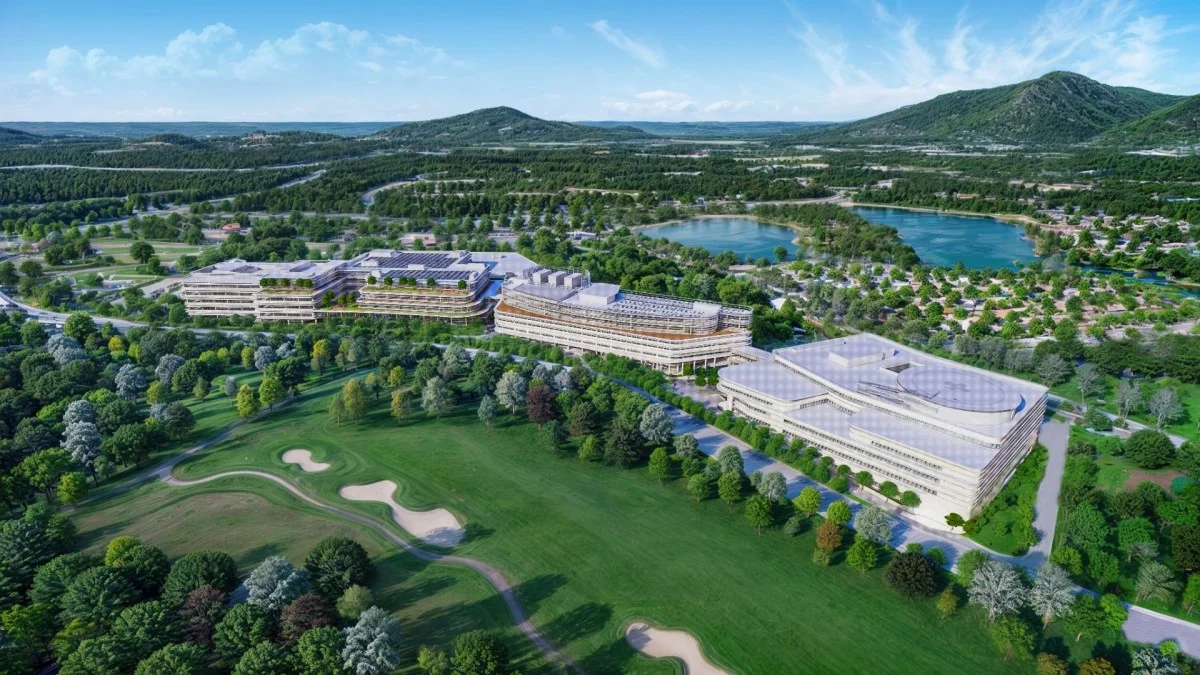
Location: The Andaman International Health and Wellness Center is being built on a 36-rai plot of land centrally located between Patong and Phuket Town in Kathu, adjacent to the Red Mountain Golf Course.
Specialized Care: Designed to treat complex diseases, perform precision medicine, and handle medical evacuations from neighboring Andaman provinces.
Advanced Facilities: The center will feature the most advanced Digital Dentistry Center in Southern Thailand, as well as specialized centers for medical technology and Thai traditional medicine.
What the Project Means for the Region:
Beyond expanding medical education and tackling personnel shortages, this center aims to integrate Thai hospitality with top-tier healthcare. For international tourists and residents alike, it promises advanced preventive care, dentistry, and digital medical tech alongside traditional treatments.
The project could have several long-term implications for Phuket and the broader Andaman region:
Superior Local Healthcare: It will significantly reduce the need to transfer patients with complex, critical conditions to other provinces by handling an estimated 170,000 patients per year.
Medical Tourism Revenue: By blending modern medical treatments with high-end wellness and premium long-term care, the hub is projected to generate billions of baht for the local economy. Thailand’s medical tourism market is projected to reach USD 16 billion by 2030.
Job Creation & Education: The project is expected to generate significant revenue and high-value employment. The Andaman Health College directly addresses the regional shortage of healthcare professionals by producing new doctors, nurses, dentists, and pharmacists tailored to the area’s needs.
Enhanced Tourist Confidence: Having international-standard, multilingual healthcare infrastructure on the island offers peace of mind to international visitors, supporting the region’s long-stay tourism, rehabilitation, and preventative health industries.
Support Services Growth: The influx of medical professionals and patients will boost demand for specialized insurance, transport, and international wellness services.
Long-Term Regional Growth: The project is part of the broader Southern Economic Corridor (SEC), aiming to make Phuket a top-tier global medical destination, reducing the economic dependence on traditional tourism.
What the Project Means for Investors:
The project signals a major shift toward high-value medical tourism, creating significant investment opportunities in premium healthcare, specialized senior care, and high-end residential real estate. The project, featuring a 300-bed tertiary hospital (Songklanagarind Hospital Phuket), aims to make the island a regional leader in health, complementing private investments such as the ฿4.3 billion Bumrungrad Phuket project.
Beyond healthcare and education, the project may also influence long-term property demand patterns across Phuket. The project could influence long-term trends within the Phuket real estate market and signal several clear implications for investors:
Surge in Demand for Long-Stay Rentals and Retirement Living: The center will bring a large influx of medical professionals, students, and long-stay medical tourists seeking premium care. This consistent, year-round demand could help reduce reliance on seasonal tourism. Many retirees and health tourists are increasingly looking for properties designed for longevity living and wellness retreats.
Long-Term Value Growth Potential: Phuket's real estate market has seen a surge in value. Properties that integrate or are located near high-end medical and wellness facilities typically command a premium, with premium villa and branded residence segments generally seeing strong demand in recent years. The project is a major catalyst for the Andaman Wellness Economic Corridor (AWC), which is attracting high-net-worth investors seeking capital gains.
Expansion of Infrastructure and Connectivity: To support this medical hub, the government is expanding regional infrastructure, including major upgrades to the Phuket International Airport, the creation of a second airport in neighboring Phang Nga, and seamless maritime connectivity. These infrastructural improvements will increase the underlying land value and desirability of surrounding areas such as Kathu, where the PSU campus is located.
Diversification from Seasonal Tourism: Because medical tourism operates year-round, it provides economic stability. A more diversified economy may help reduce Phuket’s reliance on seasonal tourism cycles over the long term.
Alignment with Global Wellness Trends: As Thailand positions itself as a premier destination for health and wellness, even hosting international platforms like the Global Wellness Summit, real estate developers are capitalizing on this by offering fully integrated health and wellness services within residential communities.
While the project will take years to complete, it reflects a broader long-term trend: Phuket is continuing to evolve beyond traditional tourism into a more diversified international destination focused on healthcare, wellness, education, and lifestyle infrastructure. As with many large-scale public infrastructure projects, the long-term economic impact will depend on execution, international demand, and broader market conditions.
For property investors, this type of large-scale public investment can help strengthen long-term confidence in the island’s future growth trajectory.